Bangladesh Water Integrity Network
BAWIN is a multi-stakeholder network of organizations, institutions, and individuals from the civil society in Bangladesh, who are committed to promoting integrity practices among the water sector institutions. The network has no legal identity and is hosted by a member NGO that extends essential administrative supports to it, mostly on a voluntary basis. BAWIN acts mainly as an umbrella body of its members at national and sub-national levels and is focused on research, advocacy, and campaign on the issues of integrity in water management.
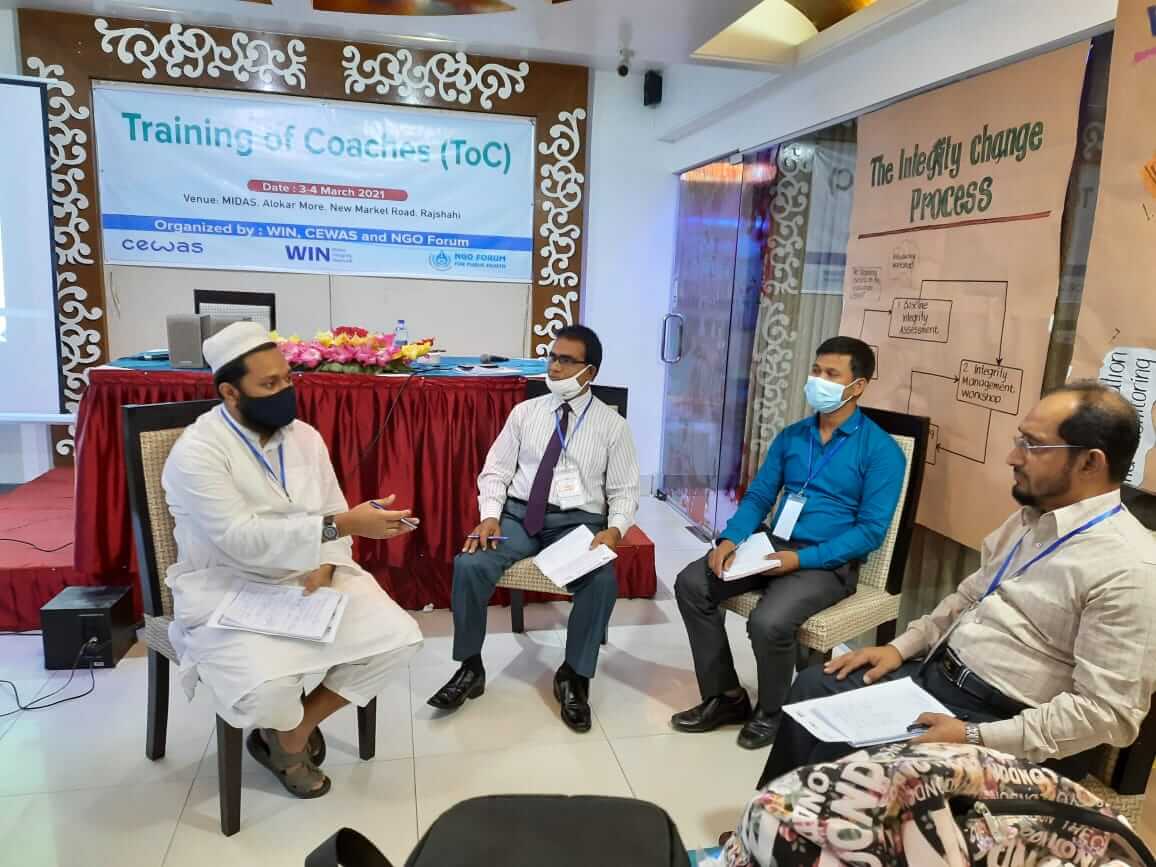
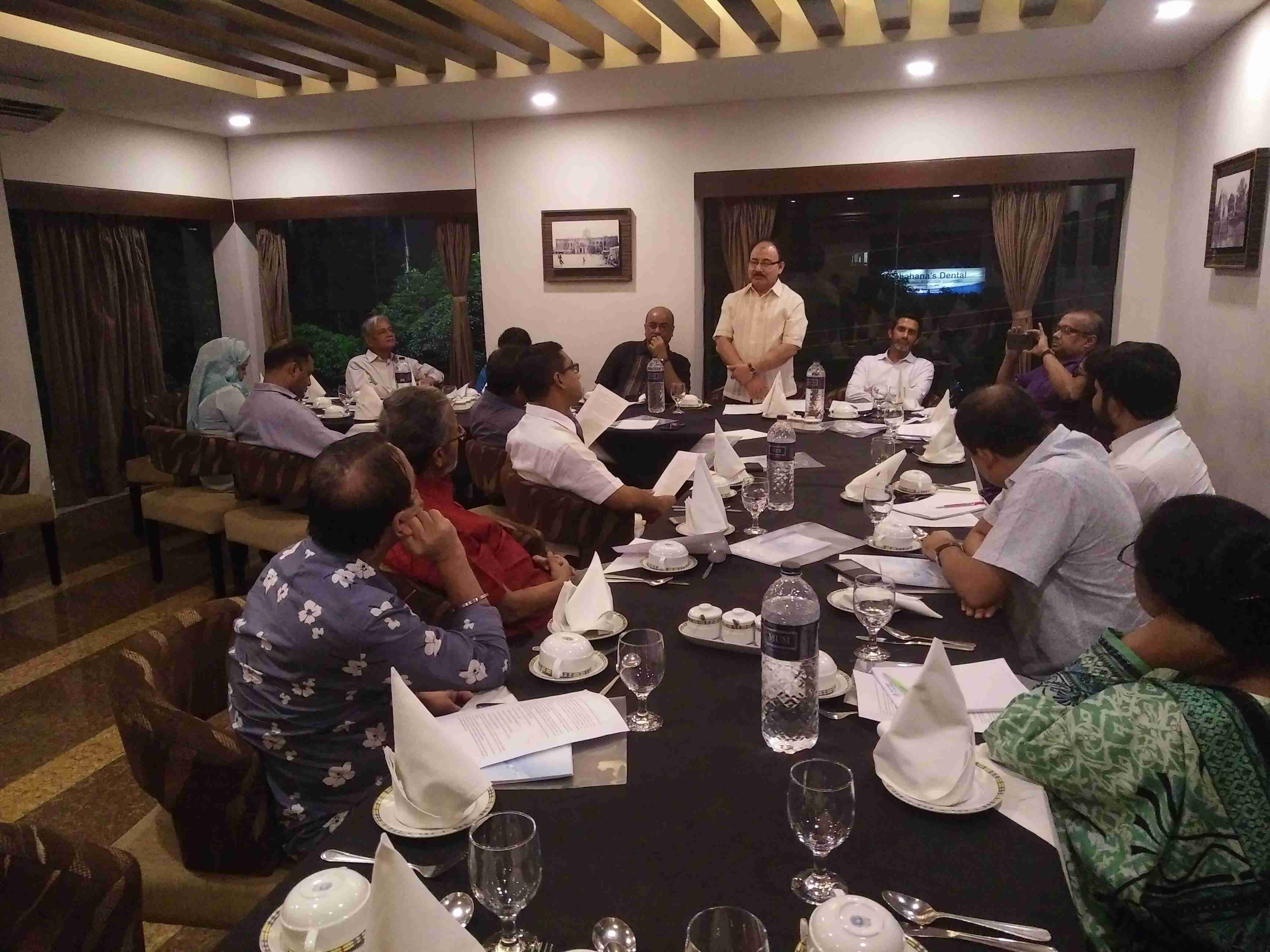
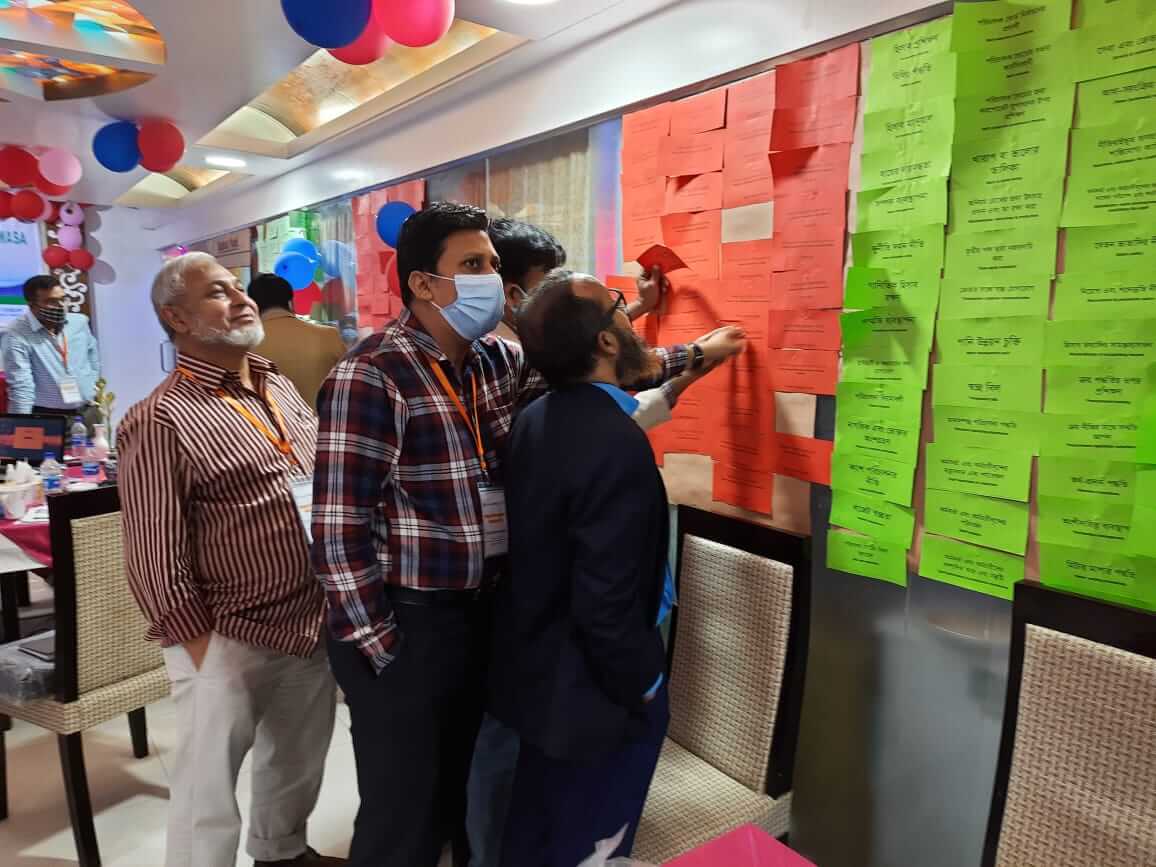
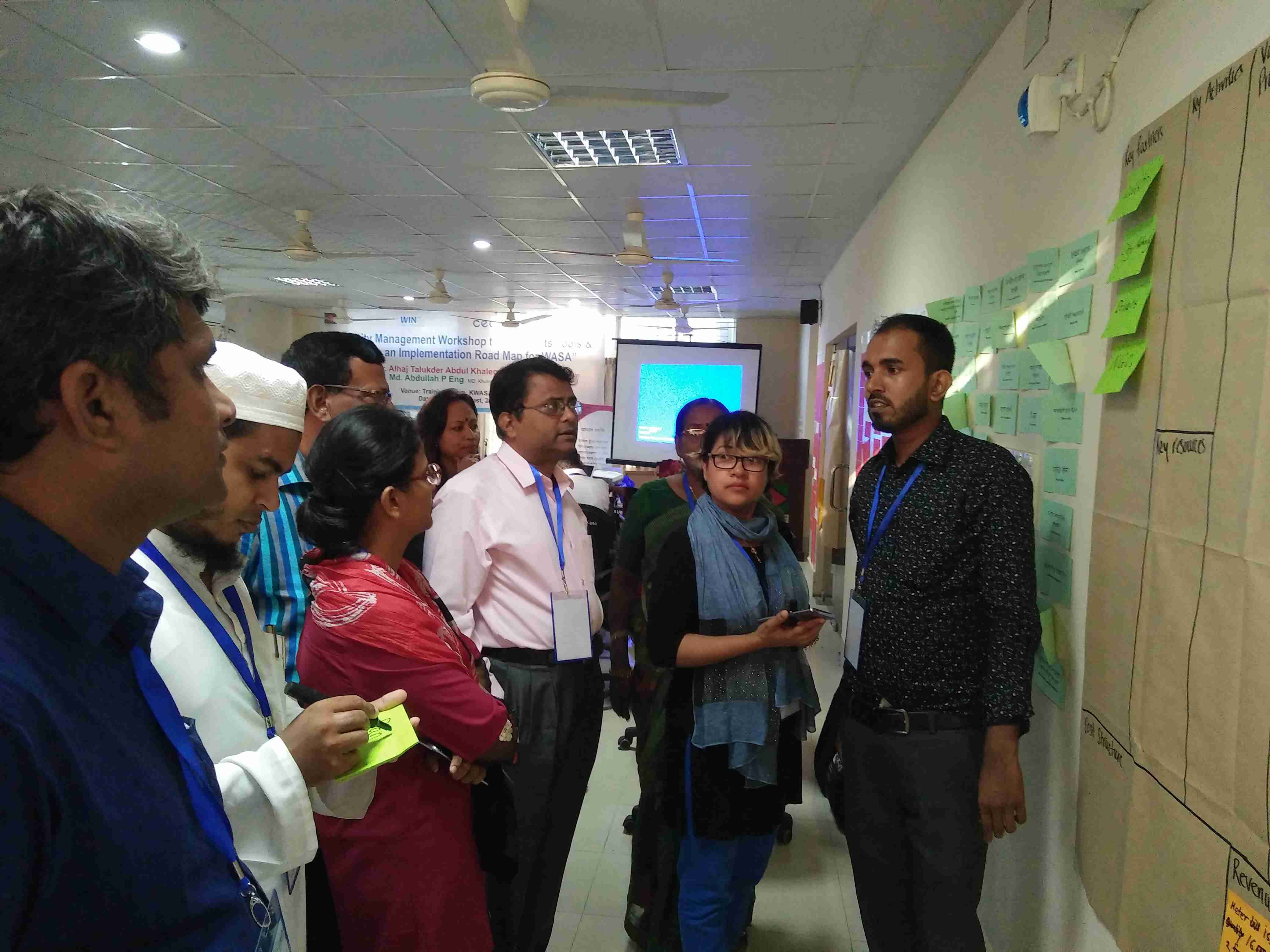
The journey started in 2009 with inspiration and thematic support from WIN and assistance from Transparency International (TI). Transparency International Bangladesh (TIB) volunteered to host the secretariat of the network from 2009 to mid-2017, until the NGO Forum for Public Health took over that responsibility. In between 2009 and 2013, with technical support from WIN, BAWIN was trying to take its shape almost as a program within TIB with a focus on the issue of corruption in the management of water services.
Under a five-country program financed by the Directorate General for Development Cooperation (DGIS), WIN supported the operation of BAWIN from 2014 to early 2017. The fund enabled BAWIN to continue its existence and to undertake some key activities related to Water Integrity, and establish an integrity analysis of the sector in the country. One of those introduced the Integrity Management (IM) tools to Khulna Water Supply & Sewerage Authority (KWASA), for the first time in the country.
In early 2017, TI-B conducted a study for BAWIN titled ‘Use and Effectiveness of Effluent Treatment Plants (ETPs) in the Garments Industry of Bangladesh: a Water Sector Integrity Perspective’ with the financial support of WIN. The report was published in June 2017 and explored the integrity concerns around the implementation of laws to protect water bodies from industrial pollution. In November 2017, WIN also started financing a project titled ‘Integrity in school WASH’ under the umbrella of BAWIN. DORP, a member of BAWIN, implemented the project in two hard-to-reach Upazilas under Bhola and Laxmipur districts. The intervention strategy and implementation process followed Transparency, Accountability and Participation (TAP) parameters to establish an appropriate approach to integrate the issues of education, WASH, gender, and budget.
The success of the pilot initiative of BAWIN with KWASA encouraged NGO Forum to initiate designing of an IM project with the Chittagong Water Supply & Sewerage Authority (CWASA) in 2017. WIN financed that project also in 2017-2018 under the umbrella of BAWIN. Impact of the IM project with KWASA and CWASA encouraged the BAWIN members to continue with both KWASA and CWASA in 2019-2020, where RWASA also joined later and adopted the IM tools.
In 2018, 2019 and 2020 BAWIN managed to encourage the CWASA, KWASA, and RWASA respectively to develop their road maps for reducing their integrity risks and improving performances. The period of the road map of KWASA was 2019 and 2020. The period was 2020 and 2021 for both KWASA and RWASA.
BAWIN strengthened its efforts for policy advocacy at the national level since 2019, where mass media houses played a noteworthy supportive role. The major events held in 2019-2021 on the issues around WASH Governance and Integrity for Sustainable Development Goals (SDG) successfully involved key institutional actors like the honorable Minister of the Ministry of Local Government, Rural Development and Cooperatives (MoLGRD&C) and the Managing Directors of the KWASA, CWASA, and Dhaka Water Supply & Sewerage Authority (DWASA).